
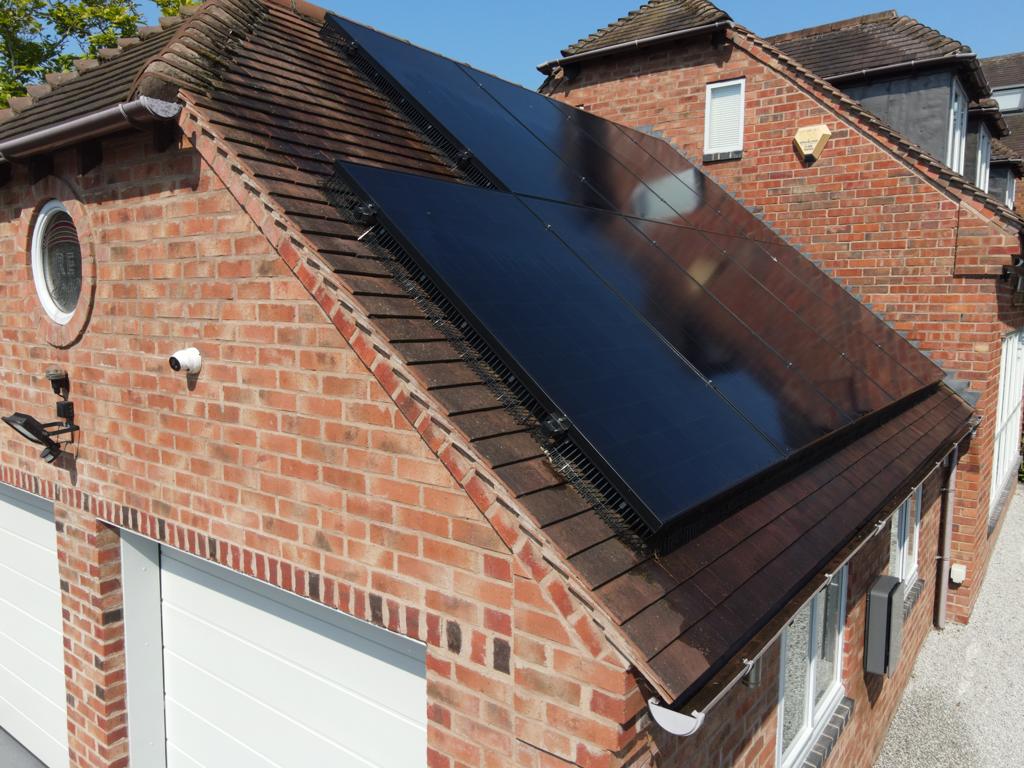
Introduction
Energy costs in the UK have increased sharply in recent years. Many homeowners are now exploring ways to reduce their electricity bills while making their homes more energy efficient. Solar power has become one of the most popular options because it allows households to generate electricity directly from sunlight.
A common question people ask before installing solar panels is simple: how much energy do solar panels produce per day?
In the UK, a typical home solar system can generate roughly 14–20 kWh daily depending on sunlight, system size, and panel efficiency.
Even with the UK’s changing weather, solar panels can produce meaningful energy throughout the year and reduce reliance on expensive grid electricity.
Average Solar Panel Energy Production Per Day
Solar panels generate electricity using photovoltaic cells that convert light into electrical power.
In the UK climate, a modern solar panel will typically produce between 1 and 2 kWh of electricity per day, depending on its wattage, roof orientation, and the amount of sunlight available.
Typical production examples include:
- 460–500 W solar panel: approximately 1.2–1.4 kWh per day on average
- Typical 5.6 kWp residential system: around 14–16 kWh per day averaged across the year
- Larger residential systems: typically 18–25 kWh per day depending on system size and roof space
Across a full year, a Stratford Energy–installed 5.6 kWp solar system in the UK Midlands will usually generate approximately: 5,000–6,000 kWh of electricity per year.
For comparison, most of our residential customers typically use 4,000–8,000 kWh of electricity per year, meaning a well-designed solar system can supply a significant proportion of household electricity demand.
Seasonal Variation
Solar production naturally varies throughout the year. This seasonal pattern means that systems are often designed slightly larger than average consumption. When combined with battery storage, this allows households to:
- maximise self-consumption of solar energy
- store excess daytime energy for evening use
- reduce reliance on higher-cost grid electricity
The result is greater energy independence, lower energy bills, and protection against future energy price volatility.
What Affects How Much Energy Solar Panels Produce?
Solar panel energy production depends on several important factors.
Sunlight Hours
Solar panels rely on daylight to generate electricity. The number of daylight hours available each day has a direct impact on production.
During summer months the UK can experience 15–16 hours of daylight, allowing solar systems to produce more electricity. Winter days can have fewer than eight hours of daylight, reducing output.
Panel Efficiency
Solar panel efficiency refers to how effectively a panel converts sunlight into usable electricity.
Higher efficiency panels generate more electricity from the same roof space. This allows homeowners with limited roof space to achieve strong energy production.
Roof Direction and Angle
Roof orientation strongly affects solar panel performance.
South-facing roofs typically generate the most electricity in the UK because they receive the highest exposure to sunlight throughout the day. East and west facing roofs can still produce strong results.
Roof pitch also influences how directly sunlight reaches the panels. And how they self clean with rain.
Weather Conditions
Solar panels work with daylight rather than direct sunshine. Even during cloudy conditions panels continue to generate electricity using indirect light.
Heavy cloud cover can reduce output compared with clear conditions, but solar systems continue producing energy throughout most daylight hours. Panels selected by
System Size
The total number of panels installed determines how much electricity the system can generate.
A larger system with more panels will produce more energy than a smaller system under the same conditions.
Solar Panel Output in the UK: Summer vs Winter
Solar energy production changes across the seasons because daylight hours vary significantly.
During summer, solar panels often operate at peak performance. Longer days and stronger sunlight allow systems to produce high levels of electricity.
In winter, output is lower due to shorter daylight hours and weaker sunlight.
Typical seasonal differences include:
- Summer production can be three to four times higher than winter
- Peak generation usually occurs between late spring and early autumn
- Winter systems still generate electricity but at reduced levels
Despite seasonal changes, solar panels still generate a large amount of electricity across the full year.
How Many Solar Panels Are Needed to Power a Home?
The number of solar panels required depends mainly on household electricity usage.
The average UK home uses roughly 12–20 kWh of electricity per day.
Common solar system sizes include:
3kW solar system
Suitable for smaller homes
Typically around 8–10 panels
4kW solar system
One of the most common residential systems
Usually around 10–12 panels
Can generate roughly 10–16 kWh per day in favourable conditions
5kW or larger systems
Suitable for larger households
Often combined with battery storage
High-Efficiency Solar Panels: SunPower & DMEGC Infinity
High-efficiency solar panels generate more electricity per square metre of roof space. SunPower and DMEGC panels are widely recognised for strong performance and long-term reliability.
Advantages include:
- High energy output per panel
- Excellent performance in low-light conditions
- Long operational lifespan
- Advanced cell technology
For homes with limited roof space, high-efficiency panels allow homeowners to maximise electricity production.
Integrated Solar Options: Viridian Solar Panels
Viridian Solar panels offer an integrated solar design that sits flush with the roof.
Unlike standard panels that are mounted above roof tiles, integrated solar panels replace a section of the roof covering. This creates a cleaner appearance and is often preferred for new builds or properties where aesthetics are important.
Benefits include:
- Sleek roof-integrated appearance
- Strong solar electricity production
- Popular choice for modern homes and new developments
Integrated solar systems combine energy generation with architectural design.
How to Maximise Solar Panel Energy Production
Choose high-efficiency panels
Panels with higher efficiency generate more electricity from the same amount of sunlight.
Optimise panel placement
South-facing roofs generally provide the best solar performance in the UK.
Professional installation
Expert system design ensures the panels operate safely and generate maximum energy.
Add battery storage
Solar batteries store excess electricity produced during the day so it can be used later in the evening.
Monitor system performance
Smart monitoring apps allow homeowners to track production and energy usage in real time.
Is Solar Energy Enough to Power Your Home?
Solar panels can provide a large share of a household’s electricity needs.
During sunny periods, solar systems may generate more electricity than a home consumes. Excess electricity can be stored in a battery or exported to the grid.
When combined with battery storage, solar systems can significantly reduce reliance on grid electricity and improve energy independence.
Home Energy System with Stratford Energy Solutions
A complete home energy approach looks beyond simply installing solar panels. By analysing your household’s electricity consumption, solar generation potential, battery storage options, time-of-use patterns, and available energy tariffs, it is possible to design a fully optimised system.
This integrated approach maximises savings, improves energy independence, and helps future-proof your home against rising energy costs and market volatility.
At Stratford Energy, we believe the real difference lies not just in the solar panels themselves, but in the engineering behind the system design. By carefully optimising how generation, storage, and energy usage work together, we deliver intelligent energy systems that perform better today and remain adaptable for the future.
Stratford Energy Solutions has completed more than 3,000 solar installations across the Midlands and surrounding regions. The company designs and installs premium solar and battery systems for homeowners and businesses.
Homeowners benefit from:
- Professionally designed home energy systems with solar
- Installation of high-performance solar panels
- Smart monitoring technology
- Ongoing maintenance and support
Every installation is designed to maximise energy production and reduce electricity costs.
Book a consultation with Stratford Energy Solutions to see how much solar energy your home could generate.
Key Takeaways
Solar panels can generate a substantial amount of electricity even in the UK climate.
A typical solar panel produces around 1.2-1.4 kWh per day, while an average home solar system may generate 10–16 kWh daily depending on sunlight, system size, and efficiency.
Solar output varies across the seasons, with higher generation in summer months and lower production during winter.
With a complete home energy system, high-efficiency panels and professional installation, Stratford Energy can reduce electricity bills and provide long-term energy independence.