Author – Georgia Howson, MCS Certified Solar Expert at Stratford Energy Solutions

Author – Georgia Howson, MCS Certified Solar Expert at Stratford Energy Solutions
Solar panels that become part of your roof — not installed on top of it. We specialise in the installation of Viridian Clearline Fusion in-roof solar PV panels across the West Midlands, Warwickshire, and surrounding counties — replacing roof tiles for a seamless, weatherproof finish that works for new builds, full roof replacements, and renovations.







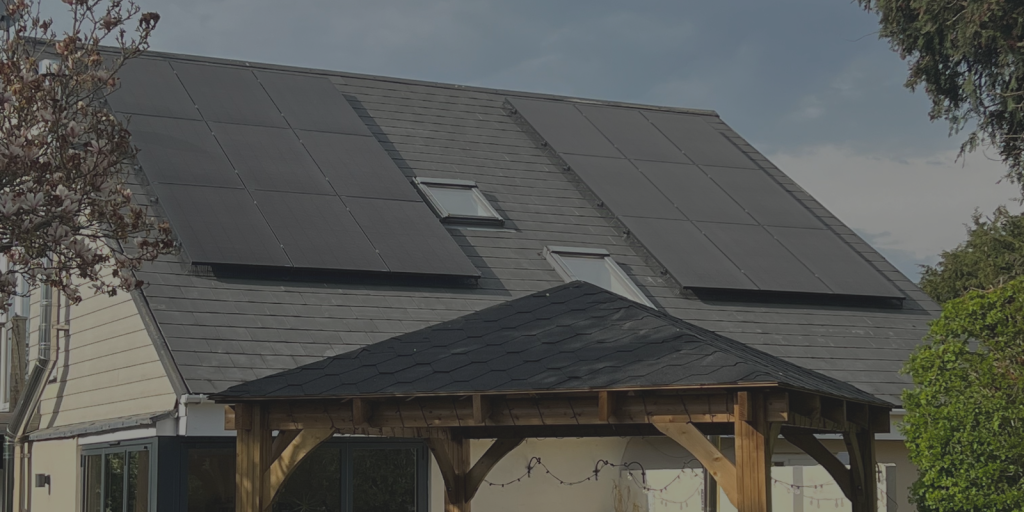
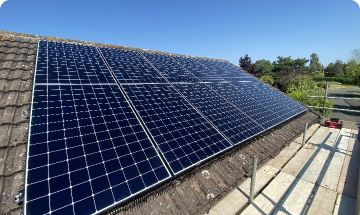
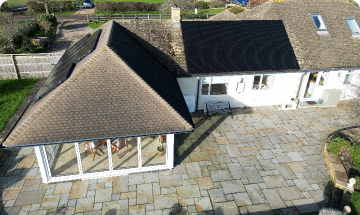
In-roof solar panels, also called roof-integrated solar panels or in-roof PV panels, replace a section of your roof tiles rather than sitting on top of them. The panels are set into the roof structure itself, sitting flush with the surrounding tiles for a clean, built-in appearance.
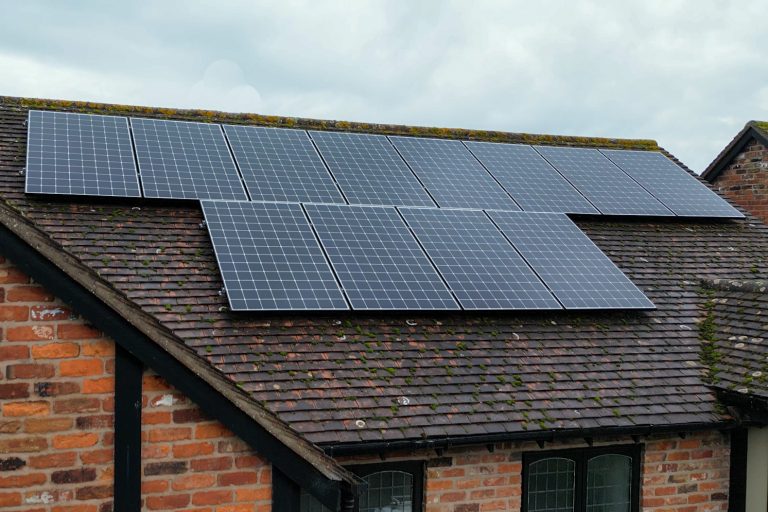
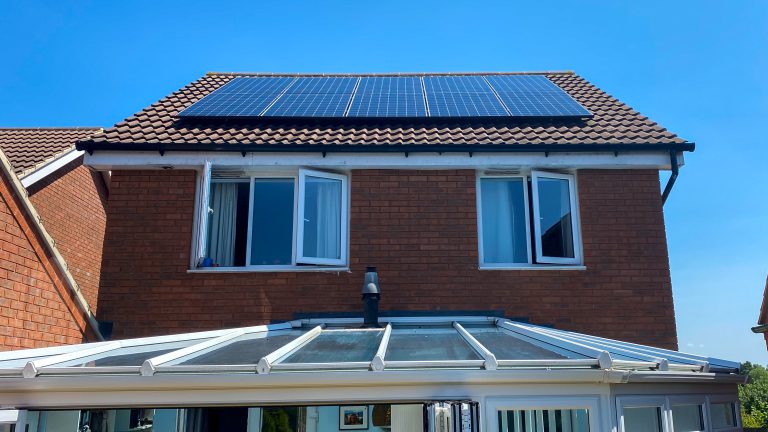
Unlike standard on-roof solar, which mounts a frame on top of an existing tiled roof, in-roof solar becomes part of the roof covering. This means no visible brackets, no panels proud of the roofline, and no gap between the panels and the surrounding tiles.
In-roof solar is particularly well-suited to new builds and full roof replacements, where panels can be incorporated during the roofing phase rather than added retrospectively. It is also the preferred choice for homes where on-roof brackets are visually unacceptable — for example, architect designed properties or homes in areas where aesthetics matter.
In-roof solar panels are most cost-effective when the roof is already being worked on. There are three scenarios where they make particular sense. We work with homeowners, self-builders, and small developers across Warwickshire, the West Midlands, and surrounding counties in all three scenarios.
New Builds
When panels are incorporated during the roof construction phase, there is no need for scaffold returns or tile removal at a later stage. In-roof solar on a new build is the most straightforward installation type — the panels are simply specified as part of the roofing work from the start. We work with self-builders and developers across the Midlands to incorporate in-roof solar into new build specifications.
Full Roof Replacements
When an ageing roof needs replacing, in-roof solar allows you to combine two projects into one. A section of new roof tiles is replaced with Viridian Clearline Fusion panels, reducing the total tile cost and adding a generating system to a roof that was being replaced in any case. The net additional cost of adding in-roof solar during a re-roof is significantly lower than a standalone in-roof install.
Refurbishments and Renovation Projects
For properties where on-roof brackets are not visually suitable — architect-designed homes, properties near listed buildings, or homes where the owner wants a clean roofline — in-roof solar provides the same generating capacity with a flush finish.
Viridian Clearline Fusion in-roof panels are compatible with a range of roof types common to UK homes. The system is designed to integrate with the surrounding tile or slate, and appropriate battening and underlay systems are available for each roof type.
Roof orientation follows the same rules as standard solar: south-facing is optimal, east and west facing slopes produce 15–20% less. We assess your specific roof during the free survey and will tell you honestly whether in-roof solar is the right choice for your property.
In-roof solar panels deliver the same energy generation as standard on-roof solar — with several additional advantages that come from the integrated installation.

Superior Aesthetics
Panels sit flush with the surrounding roof tiles. There are no visible mounting brackets, no raised frame, and no gap between the panel and the tile. The result is a clean roofline that retains the character of the property while generating renewable electricity.

Weatherproof and Watertight
The Viridian Clearline Fusion system is designed to form a continuous waterproof layer across the roof, integrating with standard underlay and battening. The panels replace tiles rather than sitting above them, which removes the risk of water pooling beneath a mounting frame.

Long-Term Energy Savings
A typical in-roof solar system for a UK home generates the same energy as an equivalent on-roof system — reducing electricity bills by £500–£1,200 per year depending on system size and household consumption. The panels generate electricity throughout daylight hours, including on overcast days.

Ideal for New Builds and Refits
Because panels are installed as part of the roofing process, in-roof solar adds minimal extra time to a new build or re-roofing project. There is no scaffold return visit for panel installation — it is done as one continuous project.

Reduced Roofing Material Costs
In-roof panels replace the tiles they cover. On a full roof replacement, the tile saving partially offsets the panel cost, reducing the net additional investment compared to installing panels on an already completed roof.
In-roof solar panels cost more than equivalent on-roof systems, because the panels replace roof tiles rather than being added on top. However, when installed during a roof replacement or new build, the saving on roofing materials partially offsets the additional panel cost — making the combined project more cost-effective than two separate ones.
All our in-roof solar installations are MCS certified, making them eligible for Smart Export Guarantee (SEG) payments. Surplus energy you generate and export to the grid earns an additional income stream that reduces the overall payback period.
For accurate pricing based on your roof, system size, and project type, contact our team for a free survey and no-obligation estimate.
For homeowners planning a roof renovation or new build, in-roof solar panels typically offer the strongest long-term value — combining roof replacement with energy generation in a single project. For a standalone in-roof install on an existing roof, the financial case is similar to standard on-roof solar, with payback typically in the range of 5–7 years.
Installing in-roof solar during a full re-roof or new build reduces the net cost vs two separate projects. You save on roofing tiles and on a scaffold return visit — both of which are significant costs when done separately.
A typical in-roof system for a 4-bedroom home saves £500–£700 per year on energy costs. Larger systems, or systems paired with battery storage, can save £1,000 or more annually. Payback typically falls between 8 and 12 years.
In-roof solar is increasingly valued by surveyors and buyers. Unlike rack-mounted panels, the flush roofline does not compromise the appearance of the property — making in-roof solar easier to factor positively into a property valuation.
Surplus energy exported to the grid earns SEG payments. As an MCS certified installer, every in-roof solar system we install is SEG-eligible from day one. We handle the certification paperwork so you do not have to.
Our team can model the projected savings for your specific property before you commit — based on your roof, orientation, and typical energy usage.
We install SunPower Elite and Viridian Solar panels exclusively – both monocrystalline products chosen for their efficiency, durability, and manufacturer warranty coverage. We do not install budget or standard-grade panels.
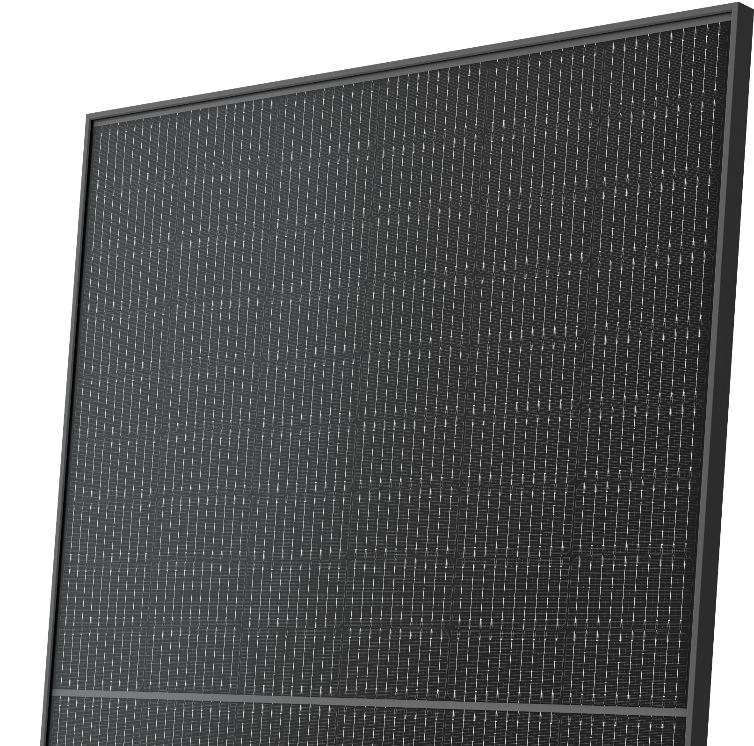
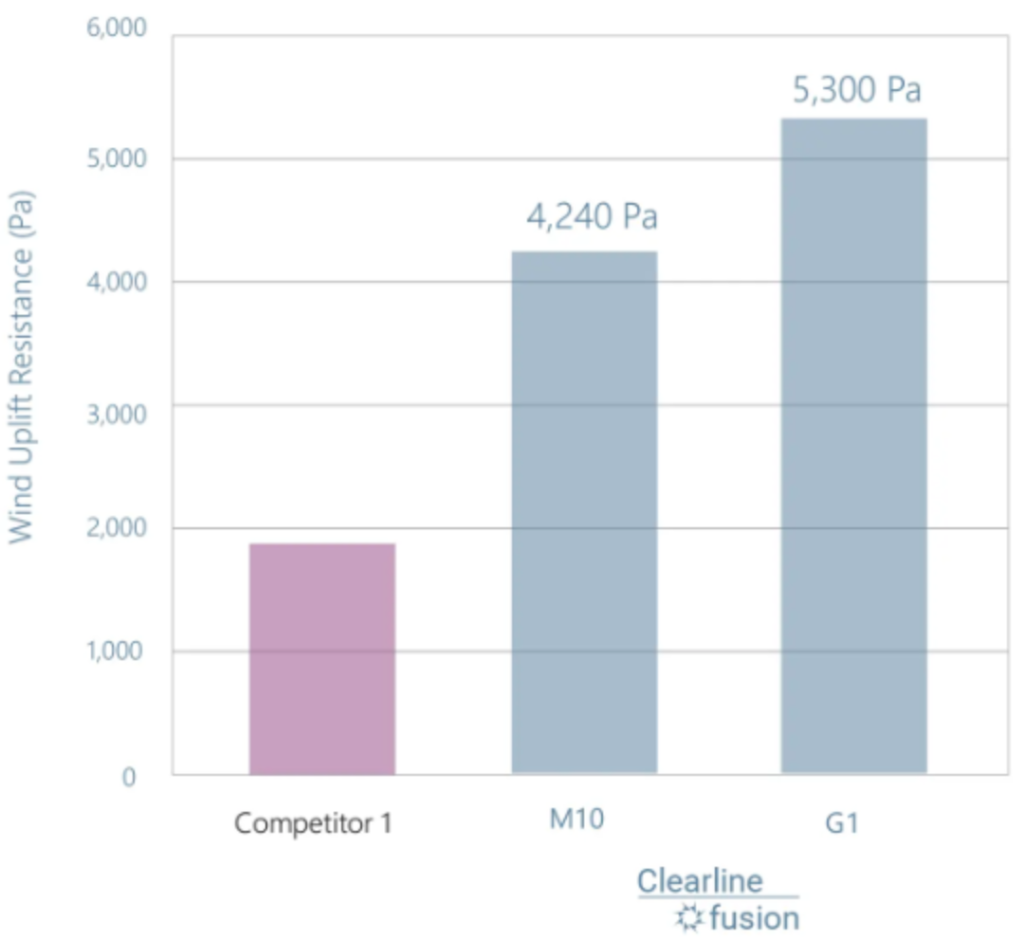
Integrated in-roof solar panels are built into your roof structure rather than sitting on top of it. This fundamentally changes how wind loads act on the system compared to rack-mounted panels, which are exposed to uplift forces from below.
Viridian Clearline Fusion panels have been independently tested to G1 and M10 wind resistance standards – certifications that cover the full range of wind forces experienced across the UK, including exposed coastal and upland locations. The panels are also tested under simulated snow load conditions.
The Clearline Fusion system is built with aluminium framing components that resist corrosion over the system lifetime, and the weatherproofing layer integrates with standard underlay and battening to prevent moisture ingress even in severe weather.
Both installation types generate the same electricity from the same sunlight. The differences are in how they are fitted, how they look, and which situations each type is best suited to.
Not sure which type is right for your home? Our engineers will assess your roof during a free survey and give you an honest comparison — including costs for both options where applicable.
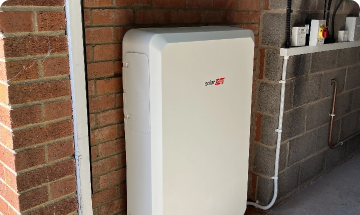
In-roof solar panels generate electricity during daylight hours. Without a battery, surplus energy that your home is not using at that moment is exported to the grid at low SEG rates. A battery storage system stores that surplus for use in the evening or overnight — significantly increasing the proportion of your own solar energy you actually consume.
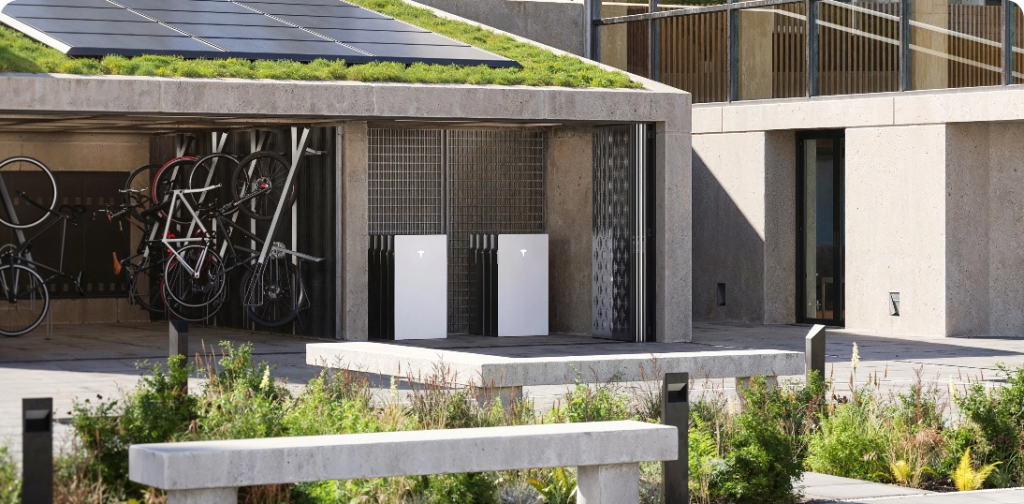
Tesla Powerwall 3
The Tesla Powerwall 3 is the UK’s most advanced home battery, storing 13.5 kWh of energy with a built-in DC-coupled inverter. Pairing in-roof solar with a Powerwall 3 increases typical self consumption from 30–40% to 70–90%. It also provides whole-home backup during power outages.
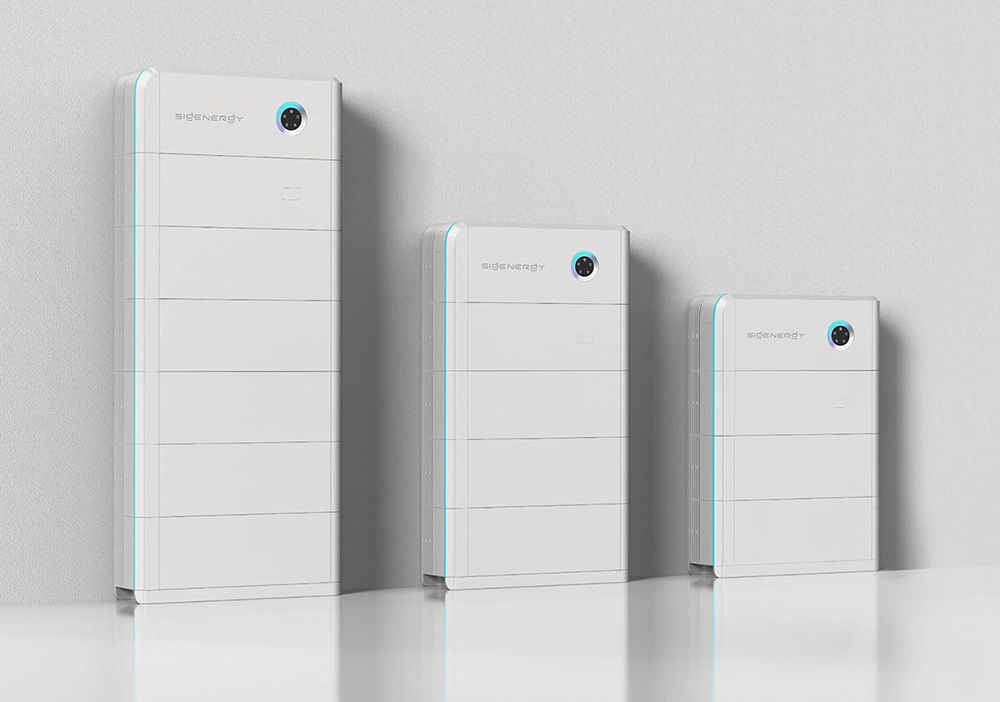
SigenStor Home Battery System
The Sigenergy SigenStor is a modular home battery system with 6–54 kWh of storage, allowing you to expand capacity as your needs grow. When paired with solar panels, it can increase typical self-consumption from 30–40% to 70–90%, while providing whole-home backup during power outages.
In-roof solar installation is a more involved process than standard on-roof solar, and choosing an experienced MCS certified installer matters. Here is what the process looks like from first contact to commissioning.
1.
One of our MCS certified engineers visits your property, assesses your roof type, pitch, orientation, and condition, and designs a bespoke in-roof system layout for your home. We confirm compatibility with your chosen tile type and advise on any planning considerations.
2.
We provide a fixed-price, no-obligation quote. We advise on any planning permission requirements — most in-roof solar installations are permitted development, but we confirm this for your specific property. We handle any paperwork required.
3.
On installation day, our in-house engineers remove the existing roof tiles in the panel area, install the Viridian Clearline Fusion frame and integrated underlay, and prepare the batten layout for the panels. The surrounding tiles are reinstated, leaving a weathertight roof at the end of each day.
4.
The Viridian Clearline Fusion panels are fitted flush with the surrounding tiles and connected to your inverter and home electrical system. All cabling is routed internally to maintain the clean exterior finish.
5.
We commission the system, test all connections, and confirm correct operation. We provide full documentation including MCS certification, warranty information, and Smart Export Guarantee registration. We walk you through the monitoring app or inverter display before we leave.
Quotations are valid for 30 days. A 14-day cooling-off period applies on all residential contracts under the Consumer Contracts Regulations 2013.
In-roof solar is a more technically demanding installation than standard on-roof solar — panels must be correctly integrated with the roof structure, weatherproofing, and tile layout. Installer experience and attention to detail matter considerably more than on a straightforward rack-mount job.

15 Years’ Experience, 3,000+ Installations
We have been designing and installing solar PV systems since 2010. Our in-house engineers have direct experience with in-roof installations across a range of property and roof types across the Midlands.

Viridian Authorised Installer
We are an authorised installer of Viridian Clearline Fusion panels. This means our team is trained to Viridian’s installation standards, and customers benefit from full manufacturer warranty coverage on both the panels and the installation system.

MCS Certified — SEG Eligible
Every in-roof solar installation we carry out is MCS certified, making it eligible for the Smart Export Guarantee from day one. We handle the MCS certification paperwork and SEG registration. MCS Certification Number: NIC1758

In-House Engineers Only
All our installations are carried out by our own in-house team — not sub-contractors. You know who is coming to your home, and we stand fully behind the quality of their work with our 5-year workmanship warranty.

RECC Consumer Protection
As RECC members, all residential customers have access to independent dispute resolution if any issue arises. Our 5-year workmanship warranty runs alongside manufacturer warranty coverage on the Viridian panels.
These are the questions we are asked most often about in-roof solar panels. Call us on 01789 262 411 if your question is not listed here.
In-roof solar panels — also called roof-integrated PV panels — replace a section of your roof tiles rather than sitting on top of them. They are set flush into the roof structure, generating the same electricity as standard on-roof solar but with a much cleaner appearance. We install Viridian Clearline Fusion panels for all in-roof installations.
In most cases, no. In-roof solar panels are covered by Permitted Development rights in England and Wales, meaning planning permission is not required — provided the installation meets standard conditions. Panels must not protrude more than 200mm beyond the roof plane, must not be installed on a wall facing a highway, and the property must not be a listed building or in a designated area such as a conservation area or national park.
For listed buildings or conservation areas, planning permission is usually required — your local planning authority can confirm. For new builds, planning permission for the main build typically covers solar panel installation as part of the scheme. If you are unsure, our team will advise you during your free survey.
In-roof solar panels typically cost more than equivalent on-roof systems, because they replace roof tiles rather than being fitted on top. However, when installed during a roof replacement or new build, the saving on roofing materials and scaffold costs partially offsets the difference.
See the full cost section above for detail on the factors that affect price. For an accurate quote based on your property, contact our team for a free survey.
Most residential in-roof solar installations take two to three days. The exact duration depends on system size, roof type, and whether we are working alongside an ongoing re-roofing project. We agree a specific schedule with you before work begins and keep the roof weathertight at the end of each working day.
Viridian Clearline Fusion panels are compatible with concrete plain tile, fibre cement slate, clay plain tile, natural slate, and hipped roof configurations. Flat roofs are not suitable for in-roof solar — for flat roofs, we would recommend on-roof or ground-mounted panels instead. See the compatibility section above for a full breakdown.
Viridian Clearline Fusion panels carry a manufacturer product warranty and a performance guarantee. Our own 5-year workmanship warranty covers the quality of the installation. We facilitate any manufacturer warranty claims on your behalf.
Very little. Because Viridian Clearline Fusion panels are flush-mounted, water runs freely off the surface during rainfall, which naturally keeps panels clean in most UK conditions. We recommend a visual inspection once or twice a year and an annual check of system output via the monitoring app or inverter display.
If output drops noticeably during a period of good weather, contact our team. A professional inspection every 3–5 years is recommended to check inverter condition, panel integrity, and connections. Our team can arrange this — ask about aftercare when you book your installation.
Yes. We pair in-roof solar with Tesla Powerwall 3 and Sigenergy battery systems. Battery storage captures surplus solar energy generated during the day for use in the evening and overnight, increasing self-consumption from around 30–40% to 70–90%. We install combined solar and battery systems as a single integrated project. See the battery storage section above for detail.
For homeowners planning a roof replacement or new build, in-roof solar typically offers the strongest return on investment — combining two projects into one and reducing the net additional cost. Energy savings are the same as equivalent on-roof solar: typically £500–£700 per year for a 4 bedroom home. Payback falls in the range of 8–12 years for most installations, after which the system continues generating savings for its remaining lifespan. See the full ROI section above.
On-roof panels are mounted on a frame bolted to your existing roof tiles — the tiles remain in place beneath them. In-roof panels replace the tiles they cover and sit flush with the surrounding roofline. Both types generate the same electricity from the same sunlight. The choice comes down to appearance, installation timing, and cost. See the full comparison table above.
Speak to one of our friendly Sales Managers, who will assess your roof and system options for free. There is no obligation and no hard sell. If in-roof solar is not right for your property, we will tell you that too.
Call 01789 262 411, email pv@stratfordenergy.co.uk, or complete the contact form. Quotations are valid for 30 days. A 14-day cooling-off period applies on all residential contracts.