Blogs for Businesses

Calculating Solar Panel Payback: A Guide for UK Homeowners

Residential Solar

Summary:

With energy prices on the rise and climate concerns at the forefront, an increasing number of UK homeowners are turning to solar panels as a smart, long-term investment. But before leaping, it’s natural to ask: What is the payback period for solar panels?

Calculating solar panel payback (the time it takes for your savings to cover the upfront cost) is key to making a confident, informed decision about solar. In this guide, we’ll break down how to calculate solar panel payback, demystify the numbers, and show you how to make the most of your investment.
What is Solar Panel Payback?

Your Solar panel payback period (or return on investment) is the length of time it takes for the savings from your solar system to equal the amount you invested. Once you reach this milestone, every kilowatt-hour generated is money in your pocket. For UK homeowners, knowing your payback period isn’t just about financial planning.

It’s about peace of mind and seeing the real value of investing in solar. Several factors influence payback, including your installation cost, local energy prices, system size, and how much electricity you use and export. By understanding these elements, you can estimate when your solar panels will start delivering pure savings.

Step-by-Step Guide to Calculating Solar Panel Payback

 While your solar panel payback period is important to understand, it can be confusing. That’s exactly why Michael, our Residential Solar Sales Manager, has written the guide below to help you understand your payback period for Solar.

If you do have any questions, that’s no problem. Our team are always happy to have a no-obligation chat. Just give us a call on 01789 262 411, or contact us through our website.

Step 1: Determine Your Total Installation Cost

Start with the total price of your solar panel system, including VAT and installation. Solar installers will usually give you a no-obligation quote, so it can be worth getting two to three quotes, but remember the cheapest system may not be the system that helps you reach the quickest payback period. Read our blog on the ‘Stratford Energy Difference’ here.

For a typical 4kW system in the UK, costs currently average around £6,500 to £7,500.

Step 2: Estimate Annual Electricity Generation

The next step is to estimate your annual electricity usage. The amount of electricity your panels generate depends on your location, roof orientation, and shading. A well-sited 4kW system in the UK produces around 3,400 to 3,800 kWh per year.

Step 3: Calculate Annual Savings on Energy Bills

Multiply your estimated annual solar generation by the current electricity price. As of 2025, the average UK electricity price is about 28p per kWh.

Here’s the difference between a standard solar panel system and a Stratford Energy system:

Standard Solar Panel System, with no home storage battery

3,600 kWh x 60% = 2,520 kWh energy used
2,520 kWh x £0.28 = £706 saved per year

Stratford Energy Solar Panel System with home storage battery

3,600 kWh x 85% = 3,060 kWh energy used
2,520 kWh x £0.28 = £856 saved per year

Step 4: Factor in Export Tariffs and Incentives

If you export surplus energy to the grid, you can earn through the Smart Export Guarantee (SEG). Rates vary, but a typical SEG rate is 5p per kWh. For the remaining 30 per cent exported:

Stratford Energy Solar Panel System with home storage battery

3,600 kWh x 15% = 540 kWh exported
540 kWh x £0.05 = £27 earned per year

Step 5: Account for Maintenance and Running Costs

Solar panels require minimal maintenance, but it’s wise to allow £100 per year for cleaning. This may seem unnecessary at first. However, keeping your Solar Panel System clean and well-maintained improves efficiency and ultimately leads to a faster payback period.

Step 6: Calculate Your Payback Period

Wondering how to calculate the payback period of a solar panel? It’s simple: add your annual savings and SEG income, then subtract annual maintenance.

Standard Solar Panel System, with no home storage battery

Annual benefit: £706 (bill savings) + £27 (SEG) – £100 (maintenance) = £633 net savings
Divide your total installation cost by your net annual savings

£7,000 / £633 ≈ 11 years payback

Stratford Energy Solar Panel System with home storage battery

Annual benefit: £856 (bill savings) + £27 (SEG) – £100 (maintenance) = £783 net savings
Divide your total installation cost by your net annual savings:

£7,000 / £783 ≈ 8.9 years payback

There you have it. After this period, your solar panels will have paid for themselves, and you’ll continue to enjoy free, clean energy for years to come.

Example Calculation Using UK Averages

Let’s bring the numbers to life with another typical UK system:
System size: 4kW
Installation cost: £7,000
Annual generation: 3,600 kWh
Self-consumption: 70 per cent
Electricity price: £0.28/kWh
SEG rate: £0.05/kWh
Maintenance: £100/year

Yearly bill savings:
3,600 kWh x 70% x £0.28 = £706
Yearly SEG income:
3,600 kWh x 30% x £0.05 = £54
Total annual benefit:
£706 + £54 = £760
Net savings (after maintenance):
£760 – £100 = £660
Payback period:
£7,000 / £660 ≈ 10.6 years

This means that after just over a decade, your solar panels will have covered their cost. With warranties often exceeding 20 years, you’ll enjoy substantial savings for years to come.

As demonstrated here, you can see that sometimes a higher performing system can seem more expensive, but can actually lead to a faster solar panel payback period.

Payback Period

Using a Solar Payback Calculator

Manual calculations are useful, but a solar payback calculator can quickly estimate your payback period with tailored inputs. These online tools factor in your postcode, roof angle, shading, system size, and local electricity rates for more precise results.

To use a solar payback calculator effectively, have these details ready:

  • Your average annual electricity usage (kWh)
  • Estimated system size (kW)
  • Installation quote
  • Local energy price
  • SEG tariff

Keep in mind, calculators provide estimates based on averages. For the most accurate picture, always request a personalised quote from a trusted provider. If you have a few quotes and would like to understand how they compare to what we offer, just ask our team. We’re always happy to help.

Factors That Impact Solar Payback In The UK

Roof Orientation and Shading
South-facing roofs with minimal shading yield the highest generation, shortening payback. East or west-facing roofs, or those with shade, may extend the period.

Local Energy Prices
Higher electricity prices mean greater savings per kWh, speeding up payback.

System Size and Quality
Larger systems generate more energy but may cost more upfront. Investing in premium panels and inverters can increase efficiency and long-term returns.

Home Battery Storage and Future-Proofing
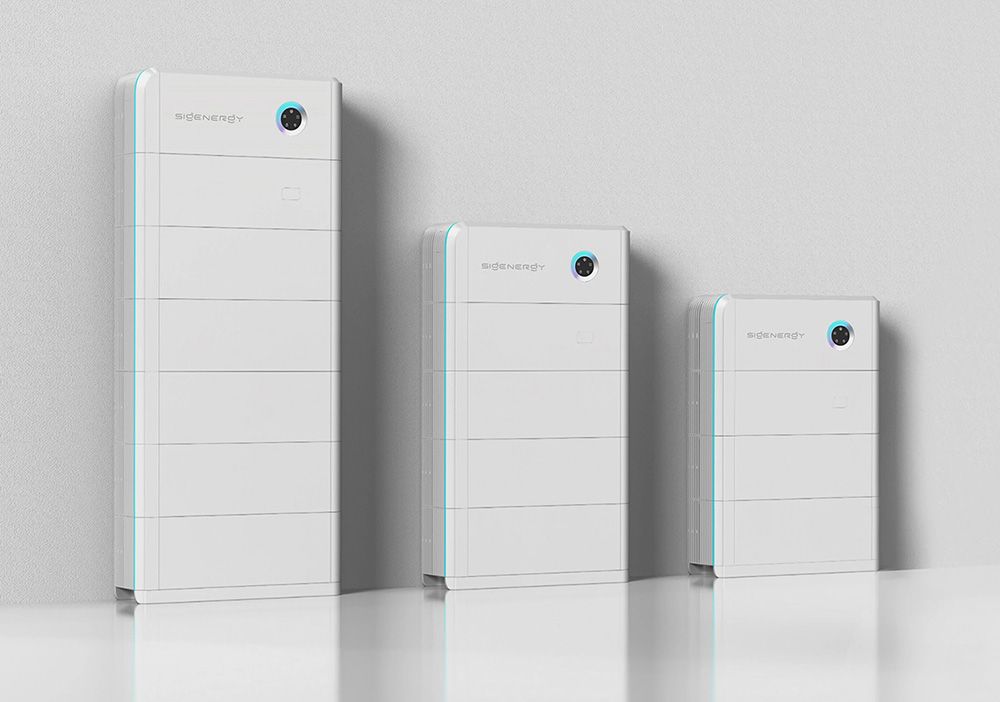
Adding home battery storage lets you store excess solar energy, increasing self-consumption and savings. While batteries add cost, they can further reduce your reliance on the grid and shield you from future price hikes.

Maximising Your Solar Savings

To achieve the fastest payback, choose a reputable, accredited installer who will design a system tailored to your home and usage. Like us. With over 15 years of experience, installing over 3,000 residential and commercial Solar Panel Systems, we have your best interests at heart.

Conclusion and Next Steps

Calculating solar panel payback is a powerful step towards energy independence and long-term financial security. While the typical UK payback period is typically around 10 to 12 years, we can offer you a much quicker return on investment, with a premium system.

Ready to see how quickly solar could pay for itself at your home?

Our team at Stratford Energy Solutions is here to help you every step of the way. Request a personalised quote today and start your journey towards lower bills and a greener future.

Share on Social Media

Related Blogs