
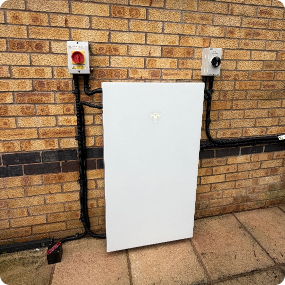
The government provides EV charger grants to help homeowners, tenants, landlords, and businesses reduce the cost of installing a chargepoint at their property. With electric vehicle ownership rising steadily across the UK, these schemes exist to make home and workplace charging more accessible and affordable. This guide covers what grants are available, who qualifies, how much funding you can get, and how to apply.
What Is an EV Charger Grant in the UK?
Overview of Government Grants
An EV charger grant is government-backed funding that covers part of the cost of purchasing and installing a chargepoint at a domestic or commercial property. The schemes are administered by the Office for Zero Emission Vehicles (OZEV), a government body responsible for accelerating the transition away from petrol and diesel vehicles.
Rather than paying the full installation cost upfront, eligible applicants receive a discount applied at the point of purchase. The grant is claimed by the installer on your behalf and deducted from your invoice, so you never handle the funding directly. The process is designed to be straightforward for the end user.
Grants reduce installation costs significantly, and in some cases cover a substantial proportion of the total expense. The exact amount depends on which scheme applies to your situation.
Why EV Charger Grants Exist
The UK government has committed to phasing out the sale of new petrol and diesel cars. To make electric vehicles a practical choice for more people, affordable home and workplace charging is essential. Without a reliable place to charge, many drivers are put off making the switch.
Grants support that transition by removing one of the main barriers: upfront cost. For homeowners, the ability to charge overnight at home is one of the most compelling practical arguments for going electric. For businesses, providing workplace charging supports staff, reduces fleet running costs, and helps meet sustainability targets.
The grants benefit homeowners who want convenient home charging, landlords who want to future-proof their properties, tenants in flats or rented homes who previously had no access to home charging, and businesses looking to support employees or manage commercial fleets.
Types of EV Charger Grants Available
Home Charger Grants
The primary domestic scheme is the EV Chargepoint Grant, which replaced the previous Electric Vehicle Homecharge Scheme (EVHS). It provides funding for homeowners and renters living in flats or rental properties who would not previously have qualified for support.
The current scheme covers:
- Flat owners and renters in purpose-built flats or rented accommodation, including those in blocks of flats with dedicated parking
- Landlords who want to install chargepoints at rental properties to meet growing tenant demand
- Social housing tenants in some circumstances
Homeowners in houses with off-street parking are no longer eligible for the domestic grant as of April 2022, following a change to the scheme. However, landlords who own houses and want to install chargers for tenants can still apply.
The grant applies to the cost of the charger unit itself and its installation. It is applied directly to the purchase price, reducing what you pay to the installer.
Workplace Charging Grants
The Workplace Charging Scheme (WCS) supports businesses, charities, and public sector organisations that want to install chargepoints at their premises.
Key features of the scheme include:
- Available to employers across most sectors, as well as accommodation providers and charities
- Covers up to 40 chargepoint sockets per applicant
- Funding is provided as a voucher, claimed through the OZEV portal before installation begins
- Applies to both standard and fast chargers
Fleet managers and operations teams with large vehicle fleets can benefit significantly from the Workplace Charging Scheme. Multiple chargers installed at a depot or head office can be covered under a single application, reducing the cost of transitioning a fleet to electric considerably.
Parking spaces must be at a business premises rather than a public car park, and the organisation must have its own off-street parking to qualify.
Who Is Eligible for an EV Charger Grant?
Eligibility Criteria Explained
Eligibility depends on the scheme you are applying for and the specifics of your property or organisation. Tenants and landlords qualify under specific schemes, while homeowners in houses no longer fall under the domestic grant.
For the EV Chargepoint Grant (domestic):
- You must live in a flat (owner-occupier or renter) or rent a house from a private landlord
- The property must have dedicated off-street parking available for your exclusive use
- The chargepoint must be on the approved product list
- Installation must be carried out by an OZEV-approved installer
For the Workplace Charging Scheme:
- You must be a registered business, charity, or public sector body
- The chargepoints must be located at your business premises
- You must have off-street parking available
- Vouchers must be approved before installation takes place
Eligibility criteria, approval status, and location all factor into whether an application will be accepted. Applications that do not meet the criteria or use unapproved equipment will not receive funding.
Approved Installers and Equipment
Installers must be OZEV-approved to carry out funded installations. This is a firm requirement, not a recommendation. If you use an installer who is not on the OZEV approved list, your installation will not qualify for the grant regardless of how the work is carried out.
OZEV-approved installers have been vetted for competence, qualifications, and adherence to the scheme’s installation standards. Using an approved installer also ensures the work is carried out safely and to the standard required for a domestic or commercial electrical installation.
The chargepoint unit itself must also appear on the OZEV approved product list. Not every charger on the market qualifies, so it is worth confirming compatibility before purchase. Your installer should be able to confirm which products are eligible and advise on the best option for your property.
At Stratford Energy Solutions, our team are OZEV-approved and familiar with the application process across both domestic and commercial schemes. We handle the grant claim on your behalf as part of the installation.
How Much Funding Can You Get?
Grant Amounts and Limits
The grant amount available depends on which scheme you qualify for.
EV Chargepoint Grant (domestic):
- Up to £500 per chargepoint socket, or 75% of the total purchase and installation cost, whichever is lower
- One chargepoint per eligible household
Workplace Charging Scheme:
- Up to £500 per chargepoint socket, or 75% of the total cost per socket, whichever is lower
- Up to 40 sockets per applicant, meaning the maximum total funding available to a business is £20,000
The funding limit and installation cost together determine how much you pay out of pocket. For a standard home chargepoint costing around £800 to £1,200 installed, the grant covers a meaningful portion of that figure and reduces the net cost to the homeowner or landlord significantly.
What Costs Are Covered
The grant covers the cost of the chargepoint unit and the installation labour. This includes the supply of the charger, the electrical connection to your consumer unit, any cabling required to route power to the parking space, and the commissioning of the unit.
What the grant does not cover includes:
- Any groundworks or civils required to create a new parking space
- Upgrades to your main electrical supply if your current capacity is insufficient
- Additional building work or structural changes to accommodate the charger
- Ongoing maintenance or extended warranties
If your property requires an electrical supply upgrade before a chargepoint can be installed, that cost falls outside the grant and will need to be budgeted for separately. A pre-installation survey from an approved installer will flag any additional requirements before any work begins.
How to Apply for an EV Charger Grant
Application Process Step-by-Step
Applicants apply for funding support through the OZEV portal, but in practice much of the process is managed by the installer. Applications require eligibility checks before approval is granted, and the voucher or funding must be confirmed before installation takes place.
Here is how the process works in practice:
- Check your eligibility using the criteria above. Confirm your property type, parking situation, and whether you fall under the domestic or workplace scheme.
- Choose an OZEV-approved installer and request a quote. Make sure the charger they propose is on the approved product list.
- The installer submits the application on your behalf through the OZEV system, including evidence of eligibility.
- Approval is confirmed before any installation work begins. Do not proceed with installation until the application has been approved, as retrospective claims are not accepted.
- Installation takes place once approval is in place. The grant is applied as a discount on your invoice.
- The installer claims the funding from OZEV directly. You pay only the net amount after the grant has been deducted.
The process is straightforward when managed by an experienced installer. The most common reason applications fail is using a non-approved installer or product, or applying after the installation has already taken place.
Choosing an Installer
Selecting the right installer matters both for grant eligibility and for the quality of the installation itself. The chargepoint will be a permanent fixture on your property, connected to your home’s electrical system, so the work needs to be done properly.
When comparing installers, check that they are on the OZEV approved list, ask how many EV charger installations they have completed, confirm which charger brands they work with and whether those products are grant-eligible, and ask about aftercare and warranty support once the unit is live.
Getting more than one quote is sensible. Prices vary, and so does the level of service on offer. A lower quote from a less experienced installer may cost more in the long run if issues arise after installation.
Installation Requirements and Considerations
Property and Charger Requirements
Chargepoints connect vehicles to your electricity supply via a dedicated circuit from your consumer unit. Before an installer can quote accurately, they need to assess whether your property’s electrical setup is adequate for the additional load.
Key requirements for a standard domestic installation:
- Off-street parking directly associated with the property (driveway, garage, allocated bay)
- Sufficient electrical capacity at the consumer unit to support a 7kW charger without overloading
- A suitable cable run from the consumer unit to the parking location, which affects installation complexity and cost
- An appropriate charger type for your vehicle and usage needs
Most modern homes can accommodate a 7kW smart charger without any electrical upgrades. Older properties with smaller consumer units or limited capacity may require additional work first. Your installer will identify this during a pre-installation survey.
For flats and multi-occupancy buildings, the landlord or building manager may need to be involved in approving the installation, particularly if cable routing affects shared areas.
Before You Install
Before committing to an installation, it is worth taking time to consider a few practical points that will shape the outcome.
Charger type and speed should match how you actually use the vehicle. A 7kW home charger is sufficient for most people charging overnight. If you drive high mileage or have a large battery vehicle, discuss whether a higher capacity connection makes sense.
Future compatibility is worth thinking about if you plan to change vehicles. Smart chargers that work with a range of vehicles and can be updated remotely are a sensible choice.
Cable management affects the finished look of the installation and how practical the charger is to use day to day. A well-planned installation routes cabling tidily and positions the charger where it is genuinely convenient.
Ongoing costs are minimal for a modern smart charger, but it is worth confirming warranty length and what support looks like if the unit develops a fault.
Homeowners, tenants, and installers all have slightly different priorities when it comes to EV charger installation, and a good installer will take the time to understand yours before recommending a solution.
Benefits of EV Charger Grants
Cost Savings and Accessibility
Grants reduce installation costs and make home and workplace EV charging accessible to a broader range of people. Without financial support, the upfront cost of a chargepoint can put some buyers off, even when the long-term savings of home charging over public charging are clear.
A home charger typically costs between £800 and £1,200 fully installed. With the grant covering up to £500 of that, the net cost drops to a level that most EV owners consider straightforward to justify. When you factor in the savings from charging at home overnight rather than using public rapid chargers, a home chargepoint pays for itself within the first year or two of ownership for most drivers.
For businesses, the workplace scheme makes fleet electrification a cost-effective step rather than a prohibitive one. Funding up to 40 sockets per applicant means even larger organisations can make meaningful progress on electrification at a subsidised rate.
Supporting Electric Vehicle Adoption
Beyond the direct financial benefit, EV charger grants support a broader shift toward electric transport that benefits households, businesses, and the environment. Providing accessible charging infrastructure removes one of the most practical barriers to EV ownership and gives drivers the confidence to make the switch.
Government bodies and environmental advocates both point to home and workplace charging as the backbone of EV adoption. Public charging networks are expanding, but the convenience and cost advantage of charging at home or at work remains significant. Every chargepoint installed through these schemes contributes to that infrastructure and reduces the collective reliance on fossil fuels.
If you are considering an EV charger for your home or business and want to understand exactly what you qualify for, Stratford Energy Solutions can carry out an assessment and manage the grant application on your behalf from start to finish.