
Unlocking Reliable, Year-Round Solar Savings for UK Homeowners
When winter arrives in the UK, solar owners face fewer daylight hours, colder temperatures, and the risk of not making the most of every ray of sunshine. The solution? Pair your panels with a high-quality home storage battery—designed and installed with winter in mind.
This guide explains why a battery helps in winter, how temperature and installation location affect performance, and what you can do to keep your investment working at its best all year.
On This Page
- Battery installation locations: garage, loft, external
- How temperature affects battery efficiency and lifespan
- Lithium-ion chemistry in winter (LFP vs NMC)
- Thermal management strategies for UK homes
- FAQs and actionable tips
Battery Installation Locations: Why Placement Matters
Where you install your battery is critical. Garages, lofts, and external locations each present unique temperature challenges—especially in winter.
- Garages can drop to 5 °C or below; detached garages may approach freezing.
- Lofts often mirror outdoor temperatures and can be harder to service; if ventilation is poor, fire risk can increase.
- External installs are exposed to the elements and require robust thermal management.
Why it matters: Cold environments slow the electrochemistry inside batteries, reducing both storage capacity and charging speed.
Tip: For UK homes, a well-insulated indoor space (utility room, internal garage) is ideal for longevity and performance.
How Temperature Affects Battery Efficiency
Solar batteries are sensitive to temperature. Stratford Energy specifies high-quality systems with self-heating or active thermal management to mitigate cold-weather performance issues.
- Low winter temperatures reduce capacity and slow charging (e.g., a battery in a chilly garage stores less and charges more slowly than one at room temperature).
- Below ~10 °C, most lithium batteries show reduced usable capacity and slower charge rates; at 0 °C or below, charging slows significantly, and repeated exposure can cause degradation.
Key point: repeated cold exposure without proper management can shorten lifespan—unless the system has active thermal management.
How Lithium-Ion Batteries Work (and Why Cold Matters)
Lithium-ion performance depends on the movement of lithium ions between electrodes through a liquid electrolyte. In cold weather, the electrolyte thickens, slowing ion movement; both charging and discharging rates decrease, capacity drops, and the risk of lithium plating increases when charging at low temperatures.
Bottom line: your battery won’t hold as much energy or charge as quickly on cold days—unless it’s protected by self-heating and good placement.
Battery Chemistry: LFP vs NMC in the UK Winter
LFP (lithium iron phosphate): retains capacity better in the cold, degrades less over time, offers greater safety and thermal stability, and operates reliably across a broad temperature range.
NMC (nickel manganese cobalt): more sensitive to cold and relies on more complex management systems; higher energy density, but typically less robust at low temperatures.
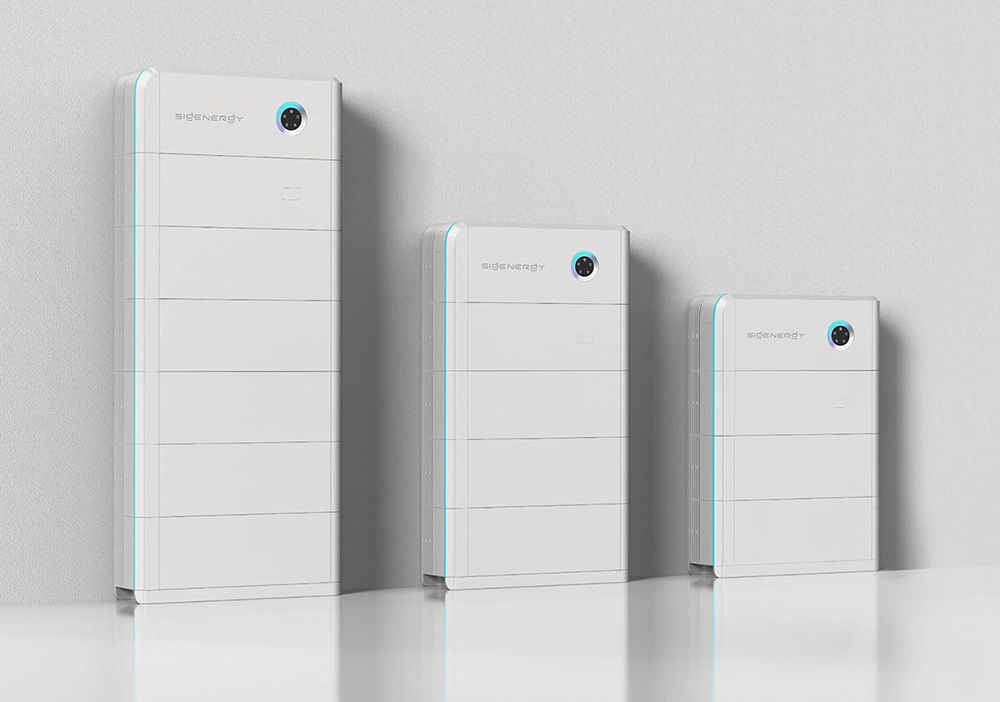
For UK homeowners, LFP batteries (e.g., Sigenergy SigenStor, Tesla Powerwall 3) are a smart choice for winter resilience.
Thermal Management: Protecting Your Battery from the Cold
Built-in thermal management helps maintain optimal cell temperatures for performance and longevity. Systems with active heating and cooling (e.g., Sigenergy SigenStor, Tesla Powerwall 3) support reliable winter operation—even in unheated garages or external installs.
Effects of Cold Weather on Battery Performance
- Decreased capacity: the battery stores less energy.
- Slower charging: longer to reach full charge.
- Potential for faster degradation: repeated cold exposure can reduce lifespan.
- Lithium plating risk: Charging in extreme cold can cause permanent damage.
You don’t have to navigate these choices alone—our MCS-certified team will help you choose the right chemistry and placement for your home and budget. We recommend modern LFP batteries with integrated thermal management, so you can be confident your storage will perform through even the coldest UK winters.
Battery FAQs
Yes—cold can reduce capacity and slow charging, but with proper installation and management, modern batteries perform well.
It’s rare in the UK, but extreme cold can temporarily reduce performance. Well-designed systems with thermal management avoid this risk.
Not if you choose the right chemistry (LFP) and manage temperature.
Yes—install in a sheltered, insulated location, use thermal management, and follow your installer’s advice.
Winter-Proof Your Solar Investment
Cold weather presents challenges for home batteries, but with the right chemistry, installation and management, you’ll enjoy reliable, efficient storage all winter long. At Stratford Energy Solutions, we design and install systems that keep your home powered—whatever the British weather brings.
Ready to take the next step?
Request your free, no-obligation solar quote today and see how much you could save while making a smart, sustainable investment for your home. Our certified experts are here to guide you every step of the way.
Get a Quote Online: Request a free quote
Call Us: 01789 262 411
Email: pv@stratfordenergy.co.uk