
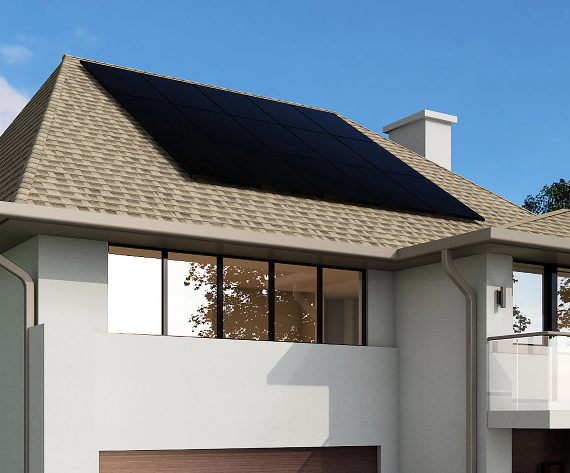
The most efficient solar panels convert the highest share of sunlight into electricity, which means more power from every panel on your roof. For UK homes with limited roof space, that difference decides how much of your electricity bill you can wipe out. This guide walks through what efficiency really means, which panel technologies lead the field, and how to pick the right ones for your property.
What Makes a Solar Panel Highly Efficient?
Solar panel efficiency measures how much sunlight a panel turns into usable electricity. A panel rated at 22% efficiency converts 22% of the daylight hitting it into power, while the rest could be lost as heat or reflected away. Higher efficiency means more electricity from the same roof area, and that matters a great deal when space is tight. At Stratford Energy, we install high efficiency panels to support every client in getting the quickest return-on-investment.
Understanding Solar Panel Efficiency
Photovoltaic (PV) panels turn sunlight into electricity using solar cells. Each cell is made from silicon, and when daylight lands on it the cells release electrons that create a direct current. An inverter then changes that current into the alternating current your home actually runs on.
Three numbers get muddled a lot, so here’s the plain difference. Efficiency rating is the percentage of sunlight a panel converts. Power output, measured in watts, is how much electricity a panel produces at peak conditions. Energy yield is the total electricity a panel generates across a year of real weather. A panel can carry a high efficiency rating but a modest wattage, or the other way round, so it pays to look at all three together. This is also why efficiency matters most on a small roof: fewer tiles means fewer panels, so the more each one produces, the closer you get to covering your electricity use.
Factors That Affect Performance
Several things change how a panel performs once it is fitted. Temperature coefficient affects panel efficiency, and it is often missed: panels lose a little output as they heat up, and the coefficient tells you how much. A panel rated at -0.29% per °C loses less power on a warm day than one sitting at -0.40%.
Shading is another big factor. Even a small shadow from a chimney, tree or aerial can pull down output across a whole string of panels. Weather conditions and panel orientation count too. A south-facing roof pitched at around 35 degrees usually gives the best results in Britain, though east-to-west setups still generate plenty across the day.
Lower degradation rates improve long-term energy generation. Every panel slowly makes less power over the years. A premium panel might lose only around 0.25% a year — the rate Maxeon warrants on its flagship panels after the first year — so after 25 years it is still producing roughly 92% of its original output. A cheaper panel that degrades faster will fall away sooner.
Efficiency vs Power Output
Efficiency and power output are not the same thing, and buying on efficiency alone can mislead you. A 450W panel produces more electricity than a 400W panel of the same size, yet the smaller one might carry a higher efficiency percentage if its cells pack in more power per square metre.
Panel size influences total electricity production because a larger panel captures more daylight. What you really want is the balance that fits your roof: enough wattage to meet your needs and enough efficiency to fit the space you have. Comparing panels on real energy yield, rather than one headline figure, tells you far more about how they will actually perform.
The Most Efficient Solar Panel Technologies
The most efficient solar panel technologies today are monocrystalline-based designs such as TOPCon, HJT and IBC, which now push conversion rates above 24%. The best choice depends on your roof, budget and how long you plan to keep the system.
Monocrystalline Solar Panels
Monocrystalline panels offer higher efficiency than the older polycrystalline type. They are made from a single, pure silicon crystal, which lets electrons move more freely and lifts conversion rates. Most quality panels sold in the UK are now monocrystalline.
Compared with polycrystalline panels, monocrystalline modules produce more power per square metre, last longer, and hold a sleeker all-black look that many homeowners prefer. They tend to cost a little more upfront, but the extra output usually earns that back, especially on a smaller roof. For homeowners with limited space, monocrystalline is almost always the sensible starting point.
TOPCon, HJT and IBC Technologies
TOPCon, HJT and IBC are newer cell designs built on top of monocrystalline silicon, each squeezing out more performance. TOPCon panels improve energy output by adding a thin oxide layer that cuts electrical losses inside the cell, lifting efficiency a step above standard mono panels – leading TOPCon modules now exceed 24% efficiency.
HJT technology reduces energy loss by combining crystalline silicon with a thin amorphous layer, which captures more energy and copes better with heat. HJT panels often carry excellent temperature coefficients, so they hold up well on hot roofs.
IBC (interdigitated back contact) panels move all the electrical contacts to the back of the cell, so no metal lines shade the front. That gives them some of the highest efficiency figures on the market — back-contact modules from makers like Aiko now reach around 25% — and a very clean appearance. Weighing IBC against TOPCon and HJT usually comes down to budget and availability: IBC sits at the premium end, while TOPCon offers strong performance at a friendlier price, and HJT lands somewhere between the two.
Bifacial Solar Panels
Bifacial panels generate power from both sides, capturing daylight on the front and reflected light on the back. On the right roof or mounting system, that can add a useful few percent to yearly output.
They perform best where light bounces back up from a bright surface, such as a light-coloured flat roof or ground-mounted array. On a standard pitched roof the gain is smaller, since little light reaches the rear. So while bifacial panels can produce more than conventional modules over their lifetime, the benefit really depends on the setting, and they suit some homes far better than others.
Comparing the Best High-Efficiency Solar Panels in the UK
The best high-efficiency panels in the UK combine strong efficiency ratings, long warranties, low degradation and a trusted manufacturer name. We fit premium panels from suppliers like SunPower Elite and Viridian Solar, chosen for how they hold up in British weather over decades, not just on a sunny test day.
Leading Manufacturers
Premium manufacturers separate themselves on four things: efficiency rating, warranty length, degradation rate and reputation. The best residential panels available today sit between about 22% and 25% efficiency, with back-contact leaders such as Aiko topping the table at 25% and premium TOPCon modules above 24%. A strong manufacturer reputation supports long-term value, because a warranty is only worth as much as the company standing behind it. That is why we stick with established suppliers rather than the cheapest unit on the market.
Performance Comparison
When you compare panels on wattage, energy yield, lifespan, durability and weather resistance, the premium options usually pull ahead. Higher wattage panels produce more per unit, and better build quality resists wind, hail and damp for longer.
Excellent low-light performance is worth looking for in the UK, where cloudy days are common. Good panels keep generating a fair amount of power under overcast skies, which adds up across a British winter. Premium panels maximise annual electricity generation by combining high efficiency with strong low-light behaviour, so you get more from the daylight we actually have.
Choosing the Right Panel
The right panel depends on your roof size, your energy use and your budget. A small roof points you to the highest-efficiency panels you can afford, so you fit enough capacity in the space, while a larger roof gives you room to balance cost against output.
Residential and commercial homes have different needs. A family home is chasing lower bills and a payback within a reasonable window, while a business might prioritise total generation and return on a larger array. Working out the payback period — for a typical home system the Energy Saving Trust puts this at roughly 9 to 12 years at July 2026 energy prices, though high daytime usage, a battery or an EV can shorten it – helps you judge whether a premium panel earns its keep for your situation. Our clients typically see a payback of 5-7 years.
Installation, Battery Storage and System Performance
Even the most efficient panels only pay off with a proper installation and the right supporting kit, since how a system is designed, wired and monitored decides how much of that efficiency you actually keep.
Installation Considerations
Good installation starts with roof suitability. An installer checks the roof’s condition, pitch, orientation and shading before designing the solar array, because a shaded or poorly angled layout throws away efficiency you have paid for. The array also needs to suit your existing electrics, so the system connects safely to your consumer unit.
Correct installation maximises efficiency by placing panels where they catch the most daylight and wiring them to keep losses low. Using an MCS-certified installer matters here, since a careful design is the difference between a system that meets its estimate and one that quietly underperforms for years.
Inverters and Battery Storage
Inverters convert DC electricity to AC electricity, turning the direct current from your panels into the alternating current your appliances use. The inverter is the heart of the system, and a good one keeps conversion losses to a minimum.
Battery storage stores excess solar energy so you can use it later. Without a battery, power you do not use during the day gets exported to the grid — where, under the Smart Export Guarantee, you typically earn around 12p per unit, well below what you pay to buy it back in the evening. With a battery, that energy is saved for when you would otherwise be buying electricity at full price. Batteries such as SigEnergy or Tesla Powerwall improve self-consumption and cut how much you draw from the grid, which is often where the real bill savings come from.
Smart Monitoring and Maintenance
Smart monitoring tracks energy production in real time, usually through an app on your phone. You can see how much your panels are generating, how much you are using, and how much is going into the battery or back to the grid.
Solar panels need little maintenance, but a bit of attention keeps them at their best. An occasional check for dirt, debris or shading from a growing tree helps, and the monitoring app flags any drop in output early, so small issues get caught before they cost you generation.
Are Premium High-Efficiency Solar Panels Worth It?
Premium high-efficiency solar panels are usually worth it for homes that want maximum savings, long life and dependable performance. They cost more at the start, but lower bills, slower degradation and longer warranties tend to make up the difference.
Cost vs Long-Term Savings
Premium panels carry a higher upfront cost, yet they often win over the long run. Solar systems reduce electricity bills by generating power you would otherwise buy, and a premium system paired with a battery can cover a large share — often the majority — of a typical home’s electricity, though the exact figure depends heavily on your usage and how much storage you fit.
A four-bedroom home commonly saves in the region of £500 to £700 a year, depending on how much electricity it uses during daylight hours; the Energy Saving Trust records real installs saving around £750 a year where the system also runs a heat pump and EV. On the Energy Saving Trust’s figures a typical 4.5kWp system costs around £7,600 and pays back over roughly 9 to 12 years — after which the savings keep coming for the rest of the panels’ life, and the higher efficiency of premium panels shortens that payback.
Longevity and Warranties
Manufacturers provide long-term warranties on premium panels, stretching up to 40 years on Maxeon’s flagship range, which still guarantees 88.3% of original output at year 40. A long product and performance warranty is a strong signal of how much life the maker expects the panel to have.
Lower degradation rates improve long-term performance, so a premium panel is still generating strongly decades after it goes up. Comparing product and performance warranties side by side, the premium options usually promise more output for longer.
Choosing the Best Solar Panels for UK Homes
The best panels for your home depend on property type, roof space and your energy goals. A compact roof calls for the highest efficiency you can fit, while a larger home has more freedom to balance cost and output. If you plan to add a battery or EV charger later, it helps to design with that in mind from the start.
Solar installations increase property value as well — research across UK sales found homes with solar sold for a premium of about 6% to 7%, since a home with a quality solar and battery system appeals to buyers looking to cut running costs. The key factors in the decision come down to how much roof you have, how much electricity you use, how long you plan to stay, and the warranty behind the panels.
If you’re not sure where to begin, our experienced team can talk you through your options and recommend a solar and battery system suited to your home, energy use and budget. With more than 4,000 systems installed, we’re here to make the process simple and help you find the right solution for your roof.