
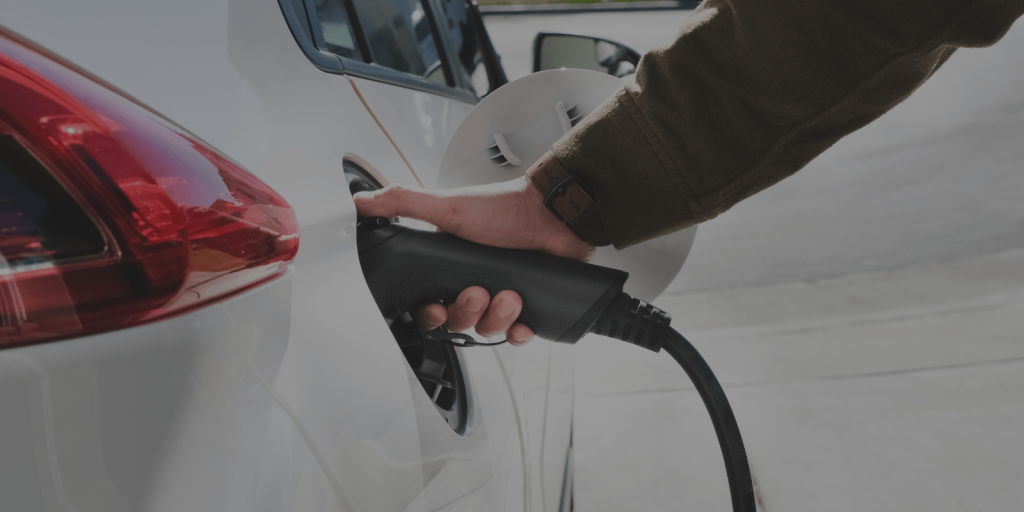
Charging your electric car at home is cheaper, faster and far more convenient than relying on public points. But the charger you pick makes a real difference to how much you save and how smoothly it all works. With dozens of models on the shelf and every brand claiming to be the smartest, choosing one can feel like a minefield.
This guide cuts through the noise. We will walk through the features that matter, the best chargers for different needs, the tethered versus untethered question, smart functionality, solar integration, installation, and how to match a charger to the way you actually drive. We fit EV chargers alongside solar and battery systems across the Midlands, so the advice here comes from real installations, not a brochure.
What Makes the Best Home EV Charger?
The best home EV charger combines smart connectivity, the right charging speed, and hardware built to last. A basic charger simply moves power into your car. A smart, future-proof one schedules charging around cheap tariffs, balances the load on your home, talks to your solar panels, and keeps doing so for years. That gap is where the savings and the convenience live.
Charger choice shapes three things over the life of the unit: your charging costs, your day-to-day convenience, and the long-term value of the kit. A well-matched smart charger lets you squeeze charging into the cheapest hours of the night, potentially saving hundreds of pounds a year. A poorly chosen one can leave you charging at full daytime rates or wrestling with a flaky app.
Essential Features to Look For
A good home charger needs smart connectivity, app support, load balancing and energy monitoring as a baseline. Smart connectivity, through Wi-Fi, 4G or Bluetooth, is what lets the charger receive tariff signals and updates. App support gives you control and visibility over each session. Load balancing protects your home wiring, and energy monitoring shows you exactly what each charge costs.
Safety certification and UK regulatory compliance are not optional. Since 30 June 2022, every new home charger sold in Great Britain must meet the Electric Vehicles (Smart Charge Points) Regulations 2021, which means it has to support scheduled charging and respond to grid signals. Look for a high IP rating such as IP65 for weather protection outdoors, and built-in PEN fault detection, which removes the need for a separate earth rod and keeps the install tidy and safe.
Choosing the Right Charging Speed
Most home chargers output 7kW, and for the vast majority of drivers that is the right choice. A 7kW unit will fully charge most electric cars overnight, so you wake to a full battery without thinking about it. Higher outputs of 22kW exist, but they need a three-phase electricity supply that most UK homes do not have.
Match the charger to how you drive. If you cover average mileage and charge overnight, 7kW is plenty and gentler on your battery over time. If you do very high mileage and need quick top-ups during the day, a faster option may suit, though faster charging can wear a battery sooner. For most households, overnight 7kW charging is the sensible, cost-effective answer.
Future-Proofing Your Installation
A future-proof charger has scalable features, receives software updates, and stays compatible with the EVs and tariffs to come. Software updates matter because they keep the unit compliant and add features over its life, so the charger you buy today is not stuck with today’s abilities. Compatibility with newer cars and smart tariffs protects you from having to replace it early.
Durable, reliable hardware is the other half of future-proofing. A charger from a maker with a solid warranty and a track record of supporting its products is worth more over ten years than a cheaper unit that fails or loses app support. Think of it as buying for the next decade, not the next month.
Best EV Chargers for Home in the UK
The UK market splits roughly into three groups: strong all-round smart chargers, value options that cover the essentials, and premium units with advanced energy management. There is no single best charger for everyone. The right pick depends on your situation, your car, and what you want the charger to do, so it helps to start with your use case rather than a brand name.
Best Overall Smart EV Chargers
The best all-round smart chargers offer the strongest mix of features, app control and reliability. Units like the Ohme Home Pro, Hypervolt Home 3 Pro and Easee One regularly top expert lists for exactly this balance. They pair stable connectivity with intuitive apps, and several add useful touches such as a built-in screen for direct control.
When comparing these, weigh up user-friendly design, warranty length and connected functionality together. A charger with a clear app, a long warranty and dependable Wi-Fi or 4G will serve you better day to day than one with a longer feature list but a habit of dropping offline mid-charge. Reliability is the feature that matters most once the novelty wears off.
Best Value for Money Chargers
Value chargers deliver strong performance and the core smart features without the premium price tag. Options such as the Aurora Seren or the EVEC 7.4kW cover the essentials very well: a sensible 7kW charging speed, smart scheduling and a neat appearance, at a lower cost. The features that genuinely matter for daily use, smart tariff integration and reliable connectivity, are available from a few hundred pounds for the unit before fitting.
Look beyond the sticker price to long-term ownership value. A slightly cheaper charger that lacks tariff support could cost you far more in higher electricity bills over its life than you saved at purchase. The best value comes from the lowest total cost of ownership, not just the lowest upfront figure.
Best Premium EV Chargers
Premium chargers bring advanced energy management and automation that the cheaper units cannot match. The standout example is the Zappi from myenergi, an eco-smart charger designed to integrate solar, battery storage and your tariff through a single app. Premium models often add features like design-led finishes, integrated cable storage, and the ability to charge purely from surplus solar.
These chargers earn their price for specific homes. If you have solar panels, a home battery, or a dynamic tariff, the advanced controls let you automate charging around cheap and free energy. The Zappi, for instance, offers ECO and ECO+ modes that automatically adjust the charge rate in response to how much solar you are generating. For a connected home, that level of integration pays back over time.
Tethered vs Untethered EV Chargers
The tethered versus untethered choice comes down to a fixed cable against a socket you plug your own cable into. One offers everyday convenience, the other flexibility and a cleaner look. Both charge your car at the same speed, so the decision is about how you live with it rather than performance.
Benefits of Tethered Chargers
A tethered charger has its cable permanently attached, which makes everyday charging quicker and simpler. You pull up, plug in and walk away. There is no need to fetch a cable from the boot or store one separately, which is a small daily saving in effort that adds up.
The trade-off is cable management. The attached cable needs tidying away when not in use, and the cable length is fixed at purchase, so you choose it up front based on where your car parks. Many tethered units include integrated storage to keep the lead neat against the wall.
Benefits of Untethered Chargers
An untethered charger is a socket only, giving you the flexibility to use any cable and suit different vehicles. If you change cars, or own more than one EV with different connectors, you simply use the matching cable. It also makes future upgrades easier, since the charger does not tie you to one setup.
Untethered units tend to look cleaner on the wall, with no permanent cable hanging from them, which suits a visible driveway. There is a practical bonus too: if a cable wears out or is damaged, you replace the cable rather than the whole charger, which can save money down the line.
Which Option Is Best?
The best option depends on your habits and your driveway. Tethered suits drivers who want the least faff: one car, a regular parking spot, and a plug-and-go routine every evening. The convenience of never handling a separate cable wins for them.
Untethered suits households with more than one EV, anyone who values a tidy wall on a visible frontage, or buyers who want the freedom to swap cables and cars over the years. If you are unsure which way your needs will go, untethered keeps your options open.
Smart Features, Apps and Energy Management
Smart functionality is now the main reason to choose one charger over another, because it is where the savings come from. Modern chargers are small energy managers, using software to charge at the cheapest times, protect your home, and even draw on your own solar. The hardware to deliver power is fairly standard. The software is what separates them.
Mobile App Control
You manage charging through a mobile app. The app is your window into the charger, letting you start, stop and schedule sessions from your phone whether you are at home or away. You can set it once and forget it, or take direct control when plans change.
Apps also monitor your charging sessions remotely and track energy usage. You can see how much power each charge used, what it cost, and when it happened. That visibility helps you understand your spending and spot the cheapest charging patterns for your household.
Smart Scheduling and Tariff Integration
Smart chargers optimise charging schedules so your car fills up when electricity is cheapest. They connect to your energy tariff and shift charging into off-peak windows automatically, which on a dynamic tariff is where the real money is saved. Under the smart charging regulations, new chargers even default to off-peak charging out of the box.
Dynamic tariffs cut your charging costs through cheap off-peak rates, often overnight. For example, Intelligent Octopus Go charges at 8p per kWh during a six-hour overnight window (11:30pm to 5:30am), against a standard variable rate several times higher — so a smart charger lined up with a tariff like this can slash the cost of a full charge. To stop everyone charging at once and straining the grid, chargers apply a short randomised delay at peak times, usually unnoticed, though this does not apply when you are charging from your own solar.
Load Balancing and Safety Features
Load balancing prevents electrical overloads in your home. It works by monitoring your total household demand and dialling the charger’s power up or down so the combined draw never trips your main supply. When the kettle, oven and charger are all running, the charger eases off automatically.
This protects your household electrical system from being overloaded, which is both a safety feature and a convenience. Dynamic load balancing means you can charge at home without worrying about the rest of the house, and without paying to upgrade your incoming supply. It is one of those features you never see working, which is exactly the point.
EV Chargers and Solar Panel Integration
Solar compatibility matters more every year for UK households, because pairing panels with a charger turns daylight into free miles. With electricity prices where they are, charging a car from your own roof rather than the grid is one of the most satisfying savings in a connected home. It also makes better use of the renewable energy you have already paid to generate.
Charging with Solar Energy
Solar-compatible chargers use excess solar energy to top up your car. When your panels generate more than the house is using, a solar-aware charger diverts that surplus into the EV instead of exporting it cheaply to the grid. A current sensor clipped around your supply cable spots the spare power and adjusts the charge rate to match.
This lets solar panel owners optimise self-consumption, which is the key to getting the most from a solar system. With the electricity price cap at 26.11p per kWh (GB average, 1 July to 30 September 2026), every unit of solar you put into your car is a unit you did not buy at roughly that rate — and it usually beats the much smaller amount you would earn exporting it. Chargers like the Zappi are built around this, with dedicated eco modes that charge only when the sun provides the power.
Combining EV Charging and Battery Storage
Adding a home battery to the mix opens up smarter energy management. The battery stores surplus solar or cheap off-peak power, then that stored energy can help charge your car or run the house when the panels are quiet. The charger, battery and panels work together as one system rather than three separate gadgets.
This combination cuts your grid electricity consumption further still. You can charge the battery cheaply overnight, run the home and top up the car from it, and use daytime solar to refill everything. Managed through a single app, it moves a household a long way toward genuine energy independence, which is exactly the goal we design our systems around.
Best Chargers for Solar Owners
For solar owners, the features to prioritise are surplus-only charging modes, a current sensor or clamp, and integration with battery storage and tariffs. The Zappi is the obvious benchmark here thanks to its ECO and ECO+ modes, but several chargers now offer solar functions, sometimes through an add-on accessory such as the Easee Equalizer.
When selecting a charger as a solar owner, check how the solar feature is delivered and whether it costs extra. Some units include it as standard, while others need an additional module. Make sure the charger can talk to your specific solar and battery setup, and ideally manage all of it from one app, so the whole system pulls in the same direction.
Installation Costs, Regulations and Compatibility
Getting a charger fitted is straightforward, but it pays to understand the requirements, the rules, and what drives the price. A proper installation keeps you safe, compliant and eligible for any grants going. Most homes are suitable, though the details of your property affect both the work and the cost.
Installation Requirements
A qualified installer configures the charging equipment safely and to standard. The job starts with an electrical assessment of your home: checking your consumer unit, your earthing arrangement and your incoming supply can handle the extra load. The installer then plans the best location, considering where your car parks and how far the cable run is from the supply.
The installer’s responsibilities go beyond mounting the box on the wall. They ensure the unit meets wiring regulations, set it up to comply with the smart charging rules, and commission it correctly through the maker’s setup process. Always use a competent, certified installer — and, if you are claiming a grant, an OZEV-authorised one — as this protects your safety, your warranty and your grant eligibility.
UK Smart Charger Regulations
UK rules require all new home chargers to have smart functionality. Under the Smart Charge Points Regulations 2021, in force since 30 June 2022, every new private charger in Great Britain must be able to send and receive information over a network and respond to demand-side signals. Buying a non-compliant unit can affect your ability to claim a grant.
The regulations exist to manage demand and keep the grid stable. Chargers must be pre-configured to charge during off-peak hours by default, support scheduled charging, and apply a randomised delay of up to 10 minutes at the start or end of a charge to prevent everyone drawing power at once — a default you can override when peak charging suits you. These standards cover safety, compliance and energy management, and any reputable charger on sale today already meets them.
Typical Installation Costs
A typical 7kW home charger installation costs roughly £800 to £1,200 before any grant, covering the unit and the fitting. The charger itself is part of that, with many quality smart units priced from around £450 to £700 before installation, and premium models higher. These ranges hold up well against current 2026 market data, where most standard fits land between about £800 and £1,500 depending on brand and complexity.
Several factors move the price: the distance from your consumer unit to the charger location, whether any wiring or fuse-board work is needed, and the charger model. A simple run on an up-to-date supply is cheaper than a long cable route or a board upgrade. If you are eligible, the OZEV EV Chargepoint Grant can reduce the cost, with the maximum rising to £500 per socket from 1 April 2026. Note the important catch below: this grant is not open to most homeowners.
Which EV Charger Is Best for Your Needs?
The best charger for you depends on your priorities and how you use your car, not on a single universal winner. Rather than chasing the top of a list, narrow your choice by what matters most to you: tariff savings, family reliability, or long-term value. Here is how to decide.
Best for Octopus and Dynamic Tariffs
If you are on a smart tariff, the best charger is one with deep tariff integration and automated off-peak charging. Chargers such as the Ohme Home Pro are built around this, syncing with dynamic tariffs to charge your car automatically during the cheapest windows. The charger reads the tariff and times the session for you.
This tariff-driven automation is where dynamic tariffs earn their keep. Pair a smart charger with a tariff like Intelligent Octopus Go and the system charges overnight at its 8p/kWh rate without you lifting a finger. For anyone on a time-of-use tariff, this compatibility is the single most valuable feature, and it can save hundreds of pounds a year.
Best for Families and High Mileage Drivers
For busy families and high-mileage drivers, prioritise charging speed, reliability and clear energy monitoring. A dependable 7kW charger that fills the car overnight every time, without app glitches, removes a daily worry from a hectic household. Energy monitoring helps you keep track of running costs when the car is in constant use.
The bigger picture for high users is freedom from public charging. A reliable home charger means you start most days with a full battery, so you rarely queue at a public point or pay its higher prices — which can run several times the cost of charging at home. For families covering serious miles, that convenience and saving is the main event.
Best for Long-Term Value
For long-term value, focus on warranty coverage, ongoing software support and future-ready design. A charger backed by a long warranty and a maker that keeps releasing updates will outlast and outperform a cheaper unit that loses support. Future-ready design, including solar and battery compatibility, means the charger grows with your home rather than holding it back.
A worthwhile long-term investment is a charger you will not need to replace when you add panels, a battery, or change cars. Buying once and buying well costs less over ten years than replacing a limited unit halfway through. Match the hardware to where your home energy setup is heading, and the value looks after itself.
Final Thoughts
There is no single best home EV charger, only the best charger for your home, your car and your priorities. For most people a reliable 7kW smart charger that links to a dynamic tariff covers the essentials and saves the most. If you have solar or a battery, a solar-aware unit like the Zappi unlocks free charging from your own roof. If long-term value is the goal, buy on warranty, software support and future compatibility rather than price alone.
Whatever you choose, a proper installation by a certified installer keeps you safe, compliant and — if you are a renter or flat owner — eligible for the grant you qualify for. And if you are weighing up an EV charger alongside solar panels or a battery, getting them designed to work together from the start is what turns three separate purchases into one efficient, money-saving system.
If you would like help choosing a charger that fits your home and works with your solar setup, our team is happy to talk it through and design something around the way you actually drive.